
A seminar to debate new initiatives to create social and economic growth
THIS SEMINAR IS NOW FULLY BOOKED
A seminar organised by the Institute for Local Governance, (ILG). It will take place at the Beaumont Hotel, Hexham, Wednesday 10th July 2019, from 1.00 – 4.00 p.m.
Town centres have been under the spotlight recently as the economic viability of high streets have been put under intense pressure due to the changing patterns of consumer demand and behaviour, the consequences of online shopping for retail outlets and the pressures of business rates.
However, town centres invariably offer a wider range of opportunities in public service provision, leisure activities, events, socialising opportunities etc. But they are more than just hubs for such activity, they also represent a focal point for economic development and civic pride – they tell us something about local culture, our sense of place and about who we are. In the rural borderlands or England and Scotland, economic and social pressures may have been compounded by their relative isolation for major urban centres.
Often it is felt that market towns face a kind of double jeopardy because they are relatively small and isolated from key decision making centres. At one time many market towns were dependent for their economic wellbeing on agriculture and related rural businesses and services. But now, new sectors and enterprises are emerging, some of which can compete at a national or even international level utilising information and communications technology and able to recruit skilled workers and professionals attracted by the quality of life and local environment.
From a policy perspective, central and local government, their agencies and financial programmes are increasingly recognising the need to support rural and coastal towns and their centres. This seminar is about more than economic vibrancy, it is also about quality of life, community development, business engagement and place making.
The seminar will be chaired by Councillor Richard Wearmouth, Cabinet Member for Economy, Northumberland County Council and introduced by Professor Mark Shucksmith, Professor of Planning, Newcastle University
Speakers will include:
Simon Hanson, Federation of Small Business: on the contribution of small business to social wellbeing and civil society.
Chris Kolek, Director, Kolek Consulting: on the process of supporting business development strategies in rural areas.
Bryan McGrath, Chief Officer, Economic Development, Scottish Borders: on town centre regeneration in the Scottish Borders.
Jonathan Wallace, Senior Director, Lichfields: on the revitalisation of town centres in North East England.
Seminar presentations are available here:
Mark Shucksmith – ILG Market Towns Seminar 10th July
Chris Kolek ILG Market Towns Seminar 10 July 2019
Bryan McGrath – ILG Market Towns Seminar 10th July
Jonathan Wallace ILG Market Towns Seminar 10th July
Simon Hanson ILG Market Towns Seminar 10th July
The Institute for Local Governance is a North East Research and Knowledge Exchange Partnership established in 2009 comprising the North East region’s Universities, Local Authorities, Police and Fire and Rescue Services. Further information about the content of the event can be obtained by contacting: – tony.chapman@durham.ac.uk or john.mawson@durham.ac.uk

 Many young people in County Durham are not achieving as much as they should as they make their journey towards adulthood. While much support is lent to young people to achieve their potential, it falls unevenly – too often being focused upon those who already have many advantages.
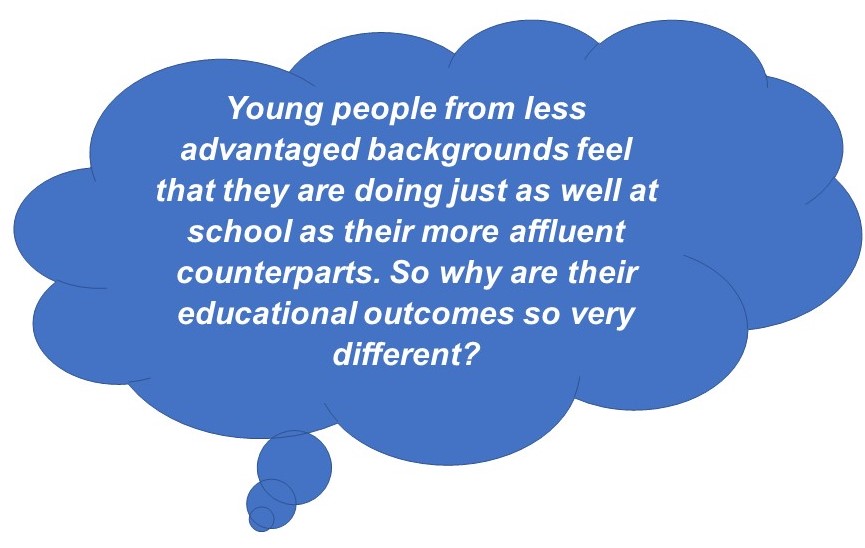 County Durham Economic Partnership commissioned research via the Institute of Local Governance, to start a debate in Durham on how to achieve more for young people from less advantaged backgrounds.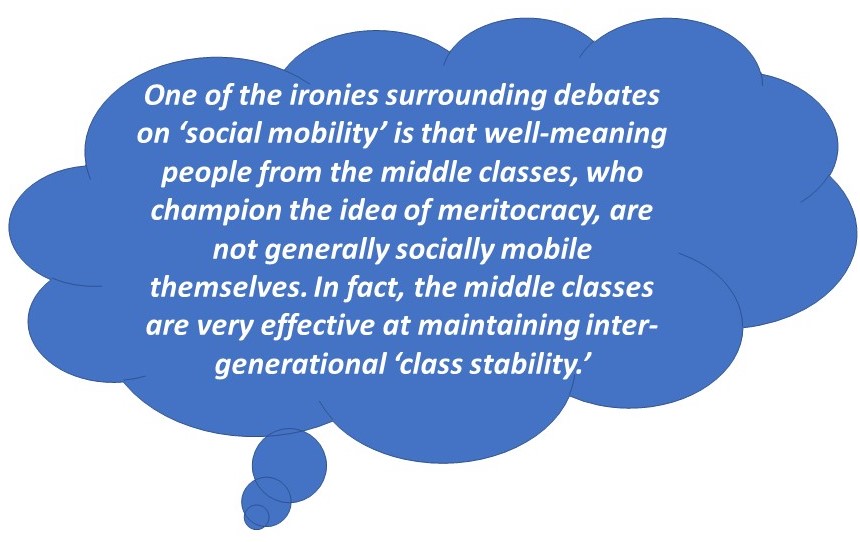
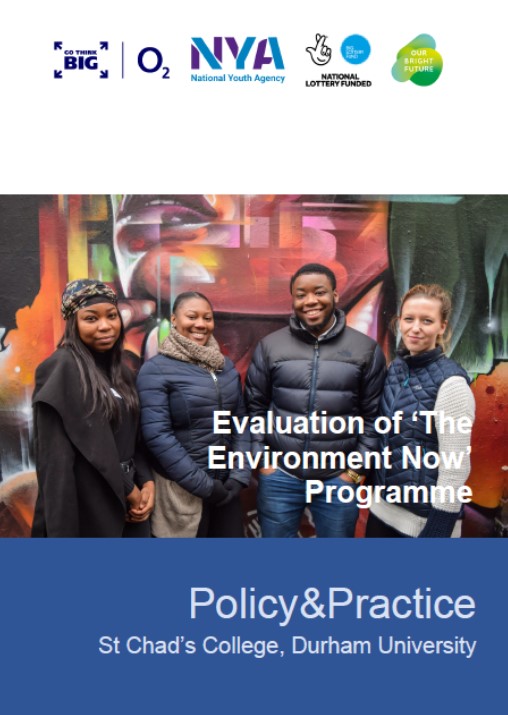 Our Bright Future allowed the NYA to to work intensively with young people over three years developing environmental projects. Funding was awarded to undertake 50 projects devised and run by young people who were, in turn, supported and trained through a comprehensive programme to develop their sustainability learning, employability skills, digital understanding and self-confidence.